Turning Waste Into Opportunity and Clean Energy
Across many communities in Tororo District, access to reliable cooking fuel is becoming increasingly difficult. Firewood is scarce, charcoal prices continue to rise, and many families struggle daily to find affordable energy for cooking. This energy challenge affects households, schools, and small businesses, particularly impacting women and youth who often carry the burden of searching for fuel.
To address this growing challenge, Neat Nature has developed an innovative solution: a community-based briquette training and production program that transforms agricultural waste into clean, affordable energy while creating sustainable livelihoods.
As a social enterprise, Neat Nature is committed to building a circular economy where communities benefit from both environmental conservation and economic opportunity.
A Social Enterprise Model for Sustainable Energy
Neat Nature operates as a community-driven social enterprise focused on promoting renewable biomass energy, waste recycling, and clean cooking solutions.
Instead of simply producing briquettes for sale, Neat Nature empowers community members to become clean energy entrepreneurs. The organization provides training, access to equipment, and ongoing mentorship so that participants can produce and sell briquettes as a sustainable business.
This model ensures that communities are not only consumers of clean energy but also producers and innovators in the green economy.
Training Youth and Women in Briquette Production
A core component of the Neat Nature initiative is its briquette training program, designed primarily for youth and women who are seeking opportunities for income generation and skill development.
Participants learn practical skills such as:
- Collecting and preparing agricultural waste materials
- Producing eco-friendly briquettes from biomass
- Operating briquette machines safely and efficiently
- Packaging and marketing briquettes
- Understanding sustainable energy and environmental conservation
These hands-on training sessions equip participants with the knowledge needed to start their own renewable energy micro-enterprises.
Access to Briquette Machines for Community Entrepreneurs
One of the biggest barriers to starting a briquette business is the cost of equipment. Briquette machines can be expensive for individuals, especially in rural communities.
Neat Nature solves this challenge by providing shared access to briquette production machines at its production hub.
After completing the training, participants are allowed to use the machines to produce briquettes for their own businesses. This shared-production model reduces startup costs and makes it easier for new entrepreneurs to enter the sustainable energy sector.
A Self-Sustaining Circular Economy Model
To ensure the program remains sustainable, Neat Nature has introduced a community contribution model.
When participants produce briquettes using the Neat Nature machines, they keep the majority of their production for sale and income generation. In return, they contribute a small percentage of the briquettes they produce to Neat Nature.
These contributed briquettes are then sold by the organization to:
- Restaurants and food vendors
- Schools and institutions
- Households seeking clean cooking fuel
- Local markets
The revenue generated helps cover:
- Machine maintenance
- Training costs
- Expansion of the program
- Community outreach activities
This system creates a self-sustaining social enterprise model where the project can continue growing without constant external funding.
Environmental Benefits of Briquette Production
The Neat Nature initiative also addresses critical environmental challenges by promoting renewable biomass fuel.
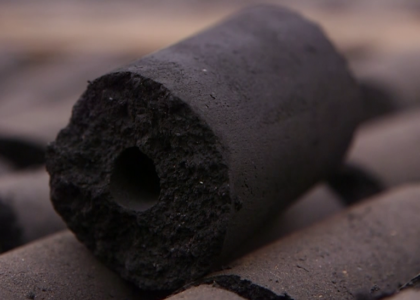
Briquettes are made from materials such as:
- Rice husks
- Sawdust
- Coffee husks
- Crop residues
- Charcoal dust
Instead of being burned as waste or dumped, these materials are converted into clean cooking fuel.
Key environmental benefits include:
- Reducing deforestation caused by charcoal production
- Recycling agricultural waste
- Lowering greenhouse gas emissions
- Supporting sustainable waste management
- Promoting circular economy solutions
By adopting briquettes, communities can significantly reduce their reliance on firewood and charcoal while protecting natural ecosystems.
Social and Economic Impact
The Neat Nature social enterprise model delivers meaningful benefits for communities.
Youth Employment
Young people gain practical skills and opportunities to start businesses in the green energy sector.
Women Empowerment
Women can produce and sell briquettes locally, increasing household income and improving financial independence.
Affordable Clean Energy
Communities gain access to reliable and affordable cooking fuel that burns longer and produces less smoke.
Attracting Climate Funding and Partnerships
Programs like the Neat Nature briquette initiative align strongly with global development priorities and climate action goals.
The project supports key international objectives such as:
- Clean cooking energy solutions
- Renewable biomass energy development
- Climate change mitigation
- Circular economy innovation
- Youth employment and women empowerment
These priorities are closely linked to initiatives supported by organizations such as the United Nations, particularly through the Sustainable Development Goals on:
- Affordable and Clean Energy
- Climate Action
- Decent Work and Economic Growth
- Responsible Consumption and Production
Because of its strong environmental and social impact, the Neat Nature model presents an excellent opportunity for climate investors, development partners, NGOs, and impact donors seeking scalable sustainable energy solutions.
The Future Vision of Neat Nature
Neat Nature aims to expand its community-based briquette production hubs to reach more communities and empower thousands of youth and women.
The long-term vision includes:
- Establishing multiple briquette training centers
- Scaling community production hubs
- Expanding clean cooking fuel access
- Creating green jobs across the region
- Developing carbon reduction and climate mitigation projects
Through innovation, partnerships, and community participation, Neat Nature is building a sustainable energy ecosystem that transforms waste into opportunity.
Conclusion
Energy challenges in rural communities require practical and inclusive solutions. By combining skills training, shared production facilities, and sustainable fuel production, Neat Nature is demonstrating how social enterprises can drive both environmental protection and economic empowerment.
Through its briquette training and production model, the organization is helping communities transition toward clean, affordable, and renewable energy.
With continued support from partners and climate investors, this initiative has the potential to become a powerful example of how sustainable energy solutions can transform communities while protecting the environment.