Introduction
In many communities across Tororo District in Uganda, access to reliable and affordable cooking fuel has become increasingly difficult. Many households struggle to find firewood, while the cost of charcoal continues to rise beyond the reach of low-income families. This growing energy poverty has left thousands of households without safe and reliable cooking solutions.
Women and children are often the most affected. Many spend hours searching for firewood, walking long distances, or cooking with low-quality fuels that produce harmful smoke. This situation contributes to deforestation, indoor air pollution, and economic hardship for already vulnerable communities.
At Neat Nature, we believe that communities in Tororo deserve better access to clean, affordable, and sustainable energy. One promising solution is the production and use of eco-friendly briquettes, a renewable cooking fuel made from agricultural waste.
The Energy Crisis Facing Communities in Tororo
Energy poverty is a major challenge in many rural and peri-urban areas of Tororo. Traditional cooking fuels such as firewood and charcoal are becoming increasingly scarce due to:
- Rapid population growth
- Deforestation and land degradation
- Rising charcoal prices
- Limited access to alternative energy sources
For many households, cooking a daily meal has become a serious challenge. Some families resort to burning crop residues or low-quality fuels, which produce large amounts of smoke and pose health risks.
Without sustainable energy alternatives, the situation will continue to worsen, affecting both the environment and community wellbeing.
Briquettes: A Sustainable Clean Energy Alternative
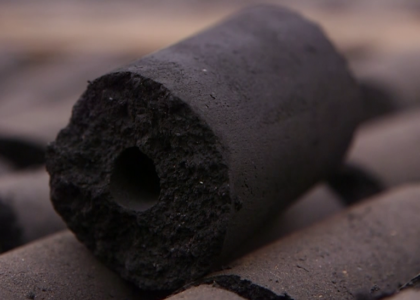
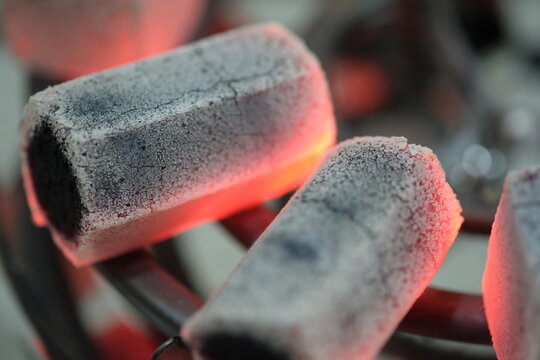
Briquettes are compressed fuel blocks made from agricultural waste and biomass materials such as:
- Rice husks
- Sawdust
- Coffee husks
- Groundnut shells
- Sugarcane bagasse
- Charcoal dust
These materials are abundant in agricultural regions but are often discarded or burned as waste. By converting them into briquettes, communities can produce clean cooking fuel while reducing environmental pollution.
Briquettes burn longer than firewood, produce less smoke, and provide a reliable alternative to traditional fuels.
How Neat Nature Is Providing a Solution
Neat Nature is introducing a community-centered briquette production initiative in Tororo aimed at addressing energy poverty while creating sustainable livelihoods.
The program focuses on training youth and women in briquette production, enabling them to become local clean energy entrepreneurs.
Participants receive practical training in:
- Agricultural waste collection
- Briquette production techniques
- Operation of briquette machines
- Packaging and marketing of briquettes
After completing the training, community members can use briquette production equipment at the Neat Nature facility to produce their own briquettes.
To keep the program sustainable, participants contribute a small portion of their production to the project. These briquettes are sold through Neat Nature’s distribution network to support the training program and maintain production equipment.
This model creates a self-sustaining circular economy system that benefits both communities and the environment.
Environmental Benefits of Briquette Energy
The adoption of briquettes in Tororo has the potential to significantly reduce environmental damage caused by traditional fuels.
Reduced Deforestation
By replacing charcoal and firewood, briquettes help protect forests and reduce pressure on natural ecosystems.
Waste Recycling
Agricultural residues that would otherwise be burned or discarded are transformed into valuable energy resources.
Lower Carbon Emissions
Briquettes contribute to renewable biomass energy systems, reducing greenhouse gas emissions associated with traditional fuels.
Social and Economic Impact
The Neat Nature briquette program does more than provide energy—it creates opportunities for community development.
Women Empowerment
Women gain practical skills and new sources of income through briquette production and sales.
Youth Employment
Young people are trained in green entrepreneurship, creating jobs in the sustainable energy sector.
Affordable Clean Cooking
Households gain access to reliable and affordable cooking fuel, improving food security and quality of life.
Why This Initiative Attracts Climate Funding
Programs that promote clean cooking solutions and renewable energy are increasingly supported by global climate initiatives and development partners.
The Neat Nature briquette project aligns with international priorities such as:
- Climate change mitigation
- Renewable biomass energy development
- Sustainable waste management
- Women economic empowerment
- Youth green job creation
These priorities are also reflected in the United Nations Sustainable Development Goals, including:
- Affordable and Clean Energy
- Climate Action
- Decent Work and Economic Growth
- Responsible Consumption and Production
By supporting briquette initiatives in Tororo, investors and donors can contribute to high-impact climate solutions with measurable social and environmental benefits.
The Future of Clean Energy in Tororo
With the right support, briquette production can become a major part of the solution to Tororo’s energy challenges.
Expanding this initiative could lead to:
- Community briquette production hubs
- Thousands of households using clean cooking fuel
- Reduced pressure on forests
- Sustainable green businesses for youth and women
Through innovation, training, and partnerships, Neat Nature aims to transform agricultural waste into renewable energy that powers communities while protecting the environment.
Conclusion
Energy poverty in Tororo is a serious challenge, but it is also an opportunity to introduce sustainable solutions that benefit both people and the planet.
Briquette production offers a practical pathway toward clean cooking energy, environmental conservation, and community empowerment.
By investing in briquette initiatives, development partners and climate investors can help create a future where every household has access to affordable, sustainable energy.
Neat Nature is committed to leading this transition and building a clean energy ecosystem that transforms waste into opportunity.