Introduction
Across many developing countries, communities still depend heavily on firewood and charcoal for cooking and heating. While these fuels are widely used, they contribute significantly to deforestation, air pollution, and climate change. Every year millions of trees are cut down to produce charcoal, increasing pressure on already fragile ecosystems.
One promising solution to this challenge is briquette production, a sustainable energy technology that converts agricultural waste into clean-burning fuel. Briquettes provide a renewable alternative to charcoal and firewood while also creating income opportunities for local communities.
By transforming materials such as sawdust, rice husks, coffee husks, coconut shells, and crop residues into fuel, briquette production turns waste into valuable energy. This approach supports environmental conservation, renewable energy development, and green entrepreneurship.
What Are Briquettes?
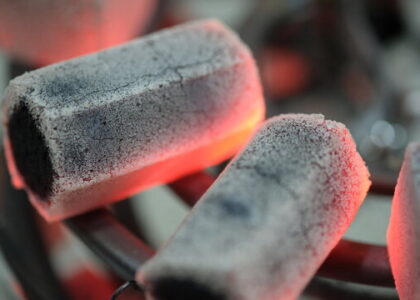
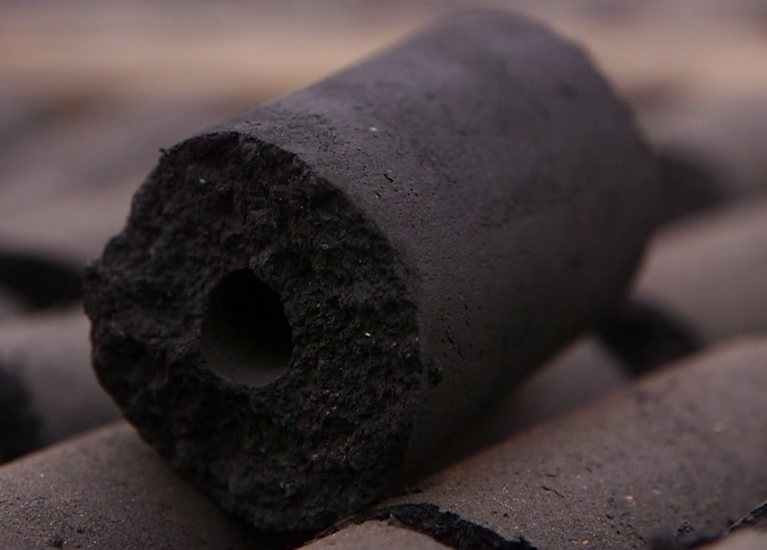
Briquettes are compact blocks of fuel made by compressing biomass waste materials under high pressure. These blocks burn longer and more efficiently than traditional firewood and produce less smoke.
Unlike charcoal, which requires cutting trees, briquettes rely on renewable biomass resources that are often discarded as waste.
Common materials used to produce briquettes include:
- Sawdust from carpentry workshops
- Rice husks from rice milling
- Coffee husks from coffee processing
- Coconut shells
- Sugarcane bagasse
- Groundnut shells
- Charcoal dust
Through briquetting technology, these materials are converted into sustainable cooking fuel and industrial energy.
Why Briquettes Are a Powerful Clean Energy Alternative
Reducing Deforestation
Charcoal production is one of the leading causes of forest degradation in many parts of Africa and Asia. Briquettes offer a solution because they use agricultural residues instead of wood.
When communities adopt briquettes, fewer trees are cut down, helping preserve forests and biodiversity.
Lower Carbon Emissions
Briquettes are part of the renewable biomass energy sector. Since they are produced from waste materials, they reduce greenhouse gas emissions associated with waste burning and unsustainable charcoal production.
In some cases, briquette production can also contribute to carbon credit and climate mitigation programs.
Cleaner Cooking and Better Health
Traditional cooking fuels often produce thick smoke that causes indoor air pollution and respiratory diseases. Briquettes burn more efficiently and generate less smoke, making them a clean cooking energy solution for households, restaurants, and institutions.
Briquette Production as a Sustainable Green Business
Beyond environmental benefits, briquette production is becoming a profitable green business opportunity.
With rising demand for affordable cooking fuel, many entrepreneurs are investing in renewable biomass briquette production as a sustainable enterprise.
Key Advantages of a Briquette Business
Low startup costs
Small-scale briquette production can start with simple equipment and locally available materials.
Abundant raw materials
Agricultural waste is widely available and often inexpensive.
Growing market demand
Consumers are increasingly looking for eco-friendly and affordable energy alternatives.
Employment creation
Briquette production creates jobs in waste collection, production, packaging, and distribution.
Community Briquette Production Programs
One of the most impactful approaches to briquette production is the development of community-based training and production programs.
Organizations such as Neat Nature are promoting models where youth and women receive training in briquette production and gain access to briquette machines.
After training, participants can produce briquettes for their own businesses while contributing a small percentage of their production to sustain the project.
This model creates a self-sustaining circular economy system that benefits both communities and the environment.
How Briquettes Are Produced
The briquette production process involves several steps:
1. Collection of Biomass Materials
Agricultural residues such as rice husks, sawdust, and coffee husks are collected from farms and processing facilities.
2. Drying and Preparation
The raw materials are dried and crushed into smaller particles suitable for compression.
3. Mixing With Natural Binder
A binder such as cassava starch may be added to help hold the briquettes together.
4. Compression
The mixture is compressed using a briquette machine or mold to form solid fuel blocks.
5. Drying
The briquettes are dried under the sun or in dryers until they become hard and ready for use.
Environmental Benefits of Briquette Production
Sustainable briquette production contributes to environmental protection in several important ways:
- Recycling agricultural waste
- Reducing open burning of biomass residues
- Preventing deforestation
- Lowering greenhouse gas emissions
- Promoting circular economy systems
Because of these benefits, briquettes are increasingly recognized as part of global climate solutions and renewable energy systems.
Attracting Climate Funding and Investment
Briquette initiatives have strong potential to attract support from:
- Climate finance programs
- Renewable energy investors
- Environmental NGOs
- Carbon credit programs
- Development agencies
Projects that combine clean cooking energy, community empowerment, and environmental conservation align with global sustainability priorities such as:
- Climate change mitigation
- Renewable energy transition
- Women empowerment
- Youth employment
- Circular economy innovation
For investors and donors, briquette production represents a high-impact climate solution with both environmental and social returns.
The Future of Sustainable Briquette Energy
As the world transitions toward cleaner and more sustainable energy systems, briquettes are becoming an increasingly important alternative fuel.
By investing in briquette production, communities can reduce environmental damage while building resilient local economies.
With the right support from governments, investors, and development partners, briquettes can play a major role in expanding renewable biomass energy and clean cooking solutions worldwide.
Conclusion
Briquette production is more than just an alternative fuel technology. It is a pathway toward clean energy access, environmental protection, and sustainable livelihoods.
By converting agricultural waste into renewable fuel, briquettes help reduce deforestation, lower carbon emissions, and create new economic opportunities.
Supporting briquette initiatives is therefore an investment not only in clean energy but also in a greener and more sustainable future for communities and the planet.